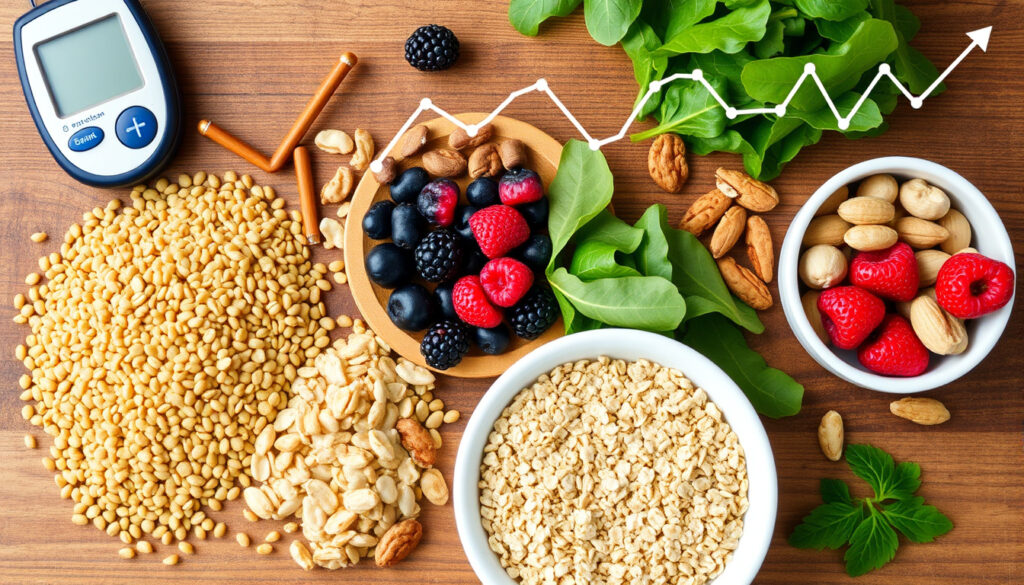
Low Glycemic Index Foods: Complete Guide to Blood Sugar
Anyone who has felt the mid-afternoon slump or the shaky aftermath of a sugary snack already knows the cost of a blood sugar spike. The trick to avoiding those swings lies not in cutting carbs entirely, but in choosing the ones that release energy slowly — the glycemic index (GI) ranks foods by how fast they raise blood glucose, backed by guidance from Diabetes Canada (the leading charity for diabetes in Canada) and Diabetes UK (the UK’s largest diabetes organisation).
Low GI threshold: 55 or less · Lowest GI fruit (avocado): 10 · Core low GI food categories: 4 (legumes, whole grains, dairy, non‑starchy vegetables) · GI of whole grain pasta: ≈45
Quick snapshot
- GI ≤ 55 defines low glycemic index foods (Diabetes Canada, the leading diabetes charity in Canada)
- Fiber and fat slow carbohydrate absorption (Diabetes UK, the UK’s largest diabetes organisation)
- Rolled oats GI = 50, instant oatmeal GI = 79 (American Heart Association Glycemic Index Chart)
- Exact GI values shift with ripeness, cooking method, and individual metabolism (BBC Good Food, a trusted UK food and nutrition outlet)
- Long‑term impact of GI on diabetes management varies among individuals (University of Washington Health Online, a .edu patient education resource)
- The precise cutoff of 55 is a guideline, but individual glycemic responses can vary (Diabetes Canada)
- The glycemic index does not account for portion size, which can affect overall blood sugar impact (Diabetes UK)
- GI research continues, but no major timeline events are active; the focus is on real‑world meal planning (Glycemic Index Chart Database, an independent reference site)
- Printable low GI lists and meal planners are being adopted by diabetes educators (Diabetes Ireland, the national diabetes charity)
Six key facts give you the foundation: low GI foods are defined by a score of 55 or less, while medium sits at 56–69 and high at 70 or more.
| Metric | Value |
|---|---|
| Low GI | ≤ 55 |
| Medium GI | 56–69 |
| High GI | ≥ 70 |
| Examples of low GI fruits | Avocado (10), Cherries (20), Grapefruit (25) |
| Common high GI food | White bread (75), Corn flakes (81) |
Choosing the right foods becomes easier when you can see low‑, medium‑, and high‑GI options side by side.
| Low GI Foods | Medium GI Foods | High GI Foods |
|---|---|---|
| Oats (rolled), barley | Brown rice, whole wheat bread | White bread, white rice |
| Lentils, chickpeas, kidney beans | Sweet potatoes | Potatoes, sugary cereals |
| Apples, berries, pears | Pineapple, ripe bananas | Watermelon |
| Non‑starchy vegetables (spinach, broccoli) | Corn | Corn flakes, instant oatmeal |
| Dairy (milk, yogurt, cottage cheese) | Basmati rice | Sugary drinks, processed snacks |
What are the best low GI foods?
Top low GI foods by category
- Fruits: apples (36), strawberries (25), pears (30), peaches (35), avocado (10), cherries (20) – values from Glycemic Index Chart Database, a widely used reference
- Vegetables: spinach (GI 15, GL 0.3), carrots, green peas, tomatoes, cucumbers – classification from Lark Health Blog, a health coaching service
- Legumes: chickpeas, lentils, kidney beans, edamame (Lark Health Blog)
- Whole grains: rolled oats (GI 50), All Bran cereal (GI 44) – data from American Heart Association Glycemic Index Chart
- Dairy: low‑fat cottage cheese (GI 30, GL 0.3) per Glycemic Index Chart Database
Benefits of choosing low GI foods
Consistent low‑GI eating keeps blood glucose in a healthier range, which helps reduce the risk of type 2 diabetes and helps manage existing diabetes. Diabetes Canada (the Canadian diabetes charity) recommends building meals around low‑GI carbs for steadier energy.
The implication: building meals around low‑GI foods is a practical step, but individual adjustments matter.
What foods have a zero glycemic index?
Non‑carbohydrate foods with negligible GI
- Pure oils (olive, coconut, avocado) – no carbs, so GI = 0 (BBC Good Food)
- Meat, poultry, fish, eggs – contain no carbohydrates, therefore do not trigger a glycemic response (Diabetes UK)
- Butter and cream – trace carbs, effectively zero GI
Why most zero‑GI foods are proteins or fats
The glycemic index only applies to carbohydrate‑containing foods. Proteins and fats have no GI value because they don’t raise blood glucose directly. Leafy greens like spinach have a GI of 15 – very low but not zero (Glycemic Index Chart Database).
The catch: even zero‑GI foods can affect blood sugar when paired with carbs, so balance still matters.
What are the worst glycemic foods?
High GI foods to limit
- White bread (GI 75), corn flakes (GI 81) – per American Heart Association chart
- Instant oatmeal (GI 79) – same AHA source
- White rice, sugary cereals, potatoes, watermelon – classified as high‑GI by Diabetes Canada
- Processed snacks and sugary drinks cause rapid blood sugar spikes
Impact of refined carbs and sugary drinks
High‑GI carbohydrates break down quickly, flooding the bloodstream with glucose. For people with diabetes, that means a sharp spike followed by a crash, which over time can worsen insulin resistance. University of Washington Health Online (an academic patient resource) warns that frequent high‑GI meals contribute to long‑term glucose dysregulation.
The pattern: high‑GI foods are the primary drivers of post‑meal spikes, but targeted swaps can blunt their effect.
How can I lower my glycemic index quickly?
Simple food swaps
- Replace white rice with brown rice or quinoa
- Swap white bread for 100 % whole‑grain or sourdough
- Choose rolled oats over instant oatmeal (American Heart Association)
Cooking methods that reduce GI
- Cook pasta al dente – firmer pasta has a lower GI (BBC Good Food)
- Add a splash of vinegar or lemon juice to meals – acid slows down starch digestion
Adding fiber and fat to meals
- Combine carbs with protein (e.g., apple + peanut butter) or healthy fat (e.g., salad with olive oil) to flatten the glucose curve (Diabetes UK)
- Include vegetables at every meal – their fiber content reduces overall GI
- Swap refined grains for whole grains – replace white rice with brown rice or quinoa, white bread with 100% whole‑grain.
- Cook pasta al dente – firmer pasta has a lower GI than overcooked pasta.
- Add acid or fat – a splash of vinegar, lemon juice, or a source of healthy fat slows carbohydrate digestion.
What this means: these steps can lower the glycemic impact of a meal without eliminating carbs entirely.
What are 5 fruits to avoid in diabetes?
High‑sugar fruits
- Watermelon (GI 72), pineapple (GI 66), ripe bananas (GI 62), grapes (GI 59), mango (GI 56) – data from Glycemic Index Chart Database
Portion control strategies
These fruits can still fit into a diabetes meal plan if portions are limited and they’re paired with protein or fat. For instance, half a banana with a handful of nuts reduces the glycemic impact. The key is awareness: whole fruit is always better than juice, and unripe fruit has a lower GI than ripe fruit (Lark Health Blog).
The implication: no fruit is truly forbidden; context and quantity determine impact.
Low‑GI foods: confirmed facts vs. what remains uncertain
Confirmed facts
- Low GI foods have a GI of 55 or less (Diabetes Canada)
- Fiber and fat slow carbohydrate absorption (Diabetes UK)
- Choosing low‑GI foods helps blood sugars stay in better balance (University of Washington Health Online)
What remains unclear
- Exact GI values can vary by ripeness, cooking method, and individual differences (BBC Good Food)
- The practical impact of GI on long‑term diabetes management may vary between people (Diabetes Canada)
- The precise cutoff of 55 is a guideline, but individual glycemic responses can vary (Diabetes Canada)
- The glycemic index does not account for portion size, which can affect overall blood sugar impact (Diabetes UK)
Choosing low‑GI foods is one of the most actionable steps you can take for blood sugar control. But it’s not a standalone solution – portion size and overall diet quality still matter. For a diabetic in Canada or the UK, combining low‑GI choices with regular physical activity and medication adherence gives the best outcomes.
A strict low‑GI diet can be restrictive and may limit some nutrient‑dense fruits like watermelon and ripe bananas. The solution: moderate portions and thoughtful pairing rather than elimination.
Expert perspectives on low‑GI eating
Using the glycemic index can help fine‑tune your carb choices so that you get the energy you need without the blood sugar spike that can come with high‑GI foods.
— Diabetes Canada (the national diabetes charity)
Low‑GI foods can help control blood glucose levels and may also aid weight loss by keeping you fuller for longer.
— Diabetes UK (the UK’s leading diabetes organisation)
A low‑GI diet is not about cutting carbs – it’s about choosing the right ones. Swapping white bread for wholemeal and adding pulses can make a real difference.
— BBC Good Food (a respected UK food and nutrition publisher)
For someone managing diabetes in the UK or Canada, the choice is clear: adopt low‑GI swaps gradually, rely on printable lists from diabetes charities, and remember that consistency matters more than perfection. Use the GI as a guide, not a rulebook – and always pair it with real‑world advice from your healthcare team.
For those managing blood sugar, incorporating low GI options like sweet potato recipes for diabetes can make a significant difference in daily glucose control.
Frequently asked questions
Which biscuits are ok for diabetics?
Plain biscuits with whole grains and low added sugar, such as oatcakes or high‑fiber crackers, have a lower GI. Always check the label for hidden sugars.
What is the glycemic index?
The glycemic index is a scale from 0 to 100 that ranks carbohydrate‑containing foods by how much they raise blood glucose after eating. Low GI = ≤ 55, medium = 56–69, high = ≥ 70.
How does fiber affect glycemic index?
Fiber slows down the digestion and absorption of carbohydrates, which reduces the overall glycemic response. That’s why whole fruits and whole grains have a lower GI than their refined counterparts.
Are eggs low GI?
Eggs contain virtually no carbohydrates, so they have no GI value. They are an excellent protein choice for a low‑GI diet.
Can I eat potatoes on a low GI diet?
Potatoes have a high GI, but you can lower the impact by eating them cold (e.g., potato salad) or pairing them with protein and fat. Sweet potatoes have a medium GI and are a better option.
Does cooking change the glycemic index of foods?
Yes. Cooking makes starches more gelatinised and easier to digest, raising the GI. Cooking pasta al dente or allowing cooked potatoes to cool promotes resistant starch formation, which lowers the GI.
Is the glycemic index the same as glycemic load?
No. Glycemic load (GL) accounts for both the GI and the amount of carbohydrate in a serving. GL = (GI × grams of carb per serving) ÷ 100. A low GL is ≤ 10, medium 11–19, high ≥ 20.
More related posts
 Rajasthan Royals vs Chennai Super Kings Match Scorecard – IPL 2026
 Shoppers Drug Mart Toronto: Locations, Services & Pharmacy Guide
 MSN Free Online Games – Play Solitaire Mahjong No Download
 Toronto Concert Ticket Prices Dropping Closer to Events
 Lola Tung Movies and TV Shows – Complete Filmography and Streaming Guide
 Everton vs West Ham – Preview, Prediction & Odds
 3.5 Inches to CM: Exact Converter (8.89 cm) + Guide
 GST/HST Credit June 2025 Payout – Schedule, Amounts, Eligibility Guide
