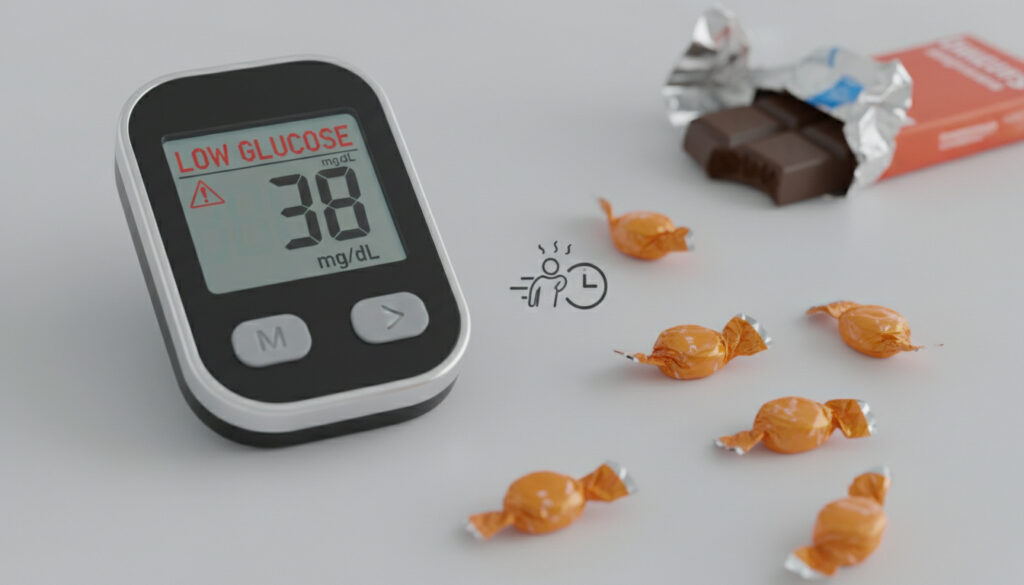
Symptoms of Low Blood Sugar – Early Warning Signs and What to Do
Hypoglycemia occurs when blood glucose drops below normal physiological levels, triggering a cascade of autonomic and neurological symptoms that demand immediate recognition. While clinical consensus defines the condition as blood glucose below 55 mg/dL, warning signs frequently manifest once levels fall beneath 70 mg/dL, creating a critical intervention window before severe neuroglycopenia develops.
The condition progresses through distinct symptomatic stages. Initial activation of the autonomic nervous system produces adrenergic responses including pallor, tremors, and anxiety alongside cholinergic reactions such as sweating and hunger pangs. According to the National Center for Biotechnology Information, if glucose deprivation persists, neuroglycopenia follows, characterized by cognitive impairment, visual disturbances, and potential seizure activity.
Nocturnal episodes present particular diagnostic challenges. Research published by Johns Hopkins Medicine indicates that nearly half of all hypoglycemic events—and more than half of severe episodes—occur during sleep, frequently unrecognized until morning disorientation or nightmares disrupt rest.
What Are the Common Symptoms of Low Blood Sugar?
Early recognition hinges on understanding the physiological progression from mild autonomic warning signs to moderate cognitive impairment. Individual presentation varies significantly based on the rate of glucose decline, prior hypoglycemic history, and concurrent medications.
|
Mild Onset Shakiness, sweating, hunger pangs |
Moderate Progression Confusion, irritability, slurred speech |
Severe Crisis Seizures, coma, permanent damage risk |
Immediate Action Consume 15g fast-acting carbohydrates |
- Diabetic patients utilizing insulin therapy face the highest incidence rates
- Nocturnal episodes constitute the majority of severe untreated cases
- Symptom severity correlates with the velocity of glucose decline rather than absolute value alone
- Repeated episodes may trigger hypoglycemia unawareness, eliminating warning signs
- Non-diabetic hypoglycemia remains rare but indicates potential insulinoma or medication reactions
- Autonomic responses typically precede neuroglycopenic symptoms by 10-15 minutes
- Pediatric and geriatric populations often present with atypical symptom clusters
| Parameter | Clinical Threshold |
|---|---|
| Symptom onset | Below 70 mg/dL |
| Defined hypoglycemia | Below 55 mg/dL |
| Severe danger zone | Below 35-40 mg/dL |
| Primary affected population | Diabetes mellitus patients |
| Nocturnal prevalence | 48% of all episodes |
| Standard treatment dose | 15g rapid carbohydrates |
| Glucagon response time | 5-10 minutes |
| Neurological recovery window | Under 30 minutes |
What Are Signs of Severe or Dangerous Low Blood Sugar?
Severe hypoglycemia represents a life-threatening endocrine emergency requiring immediate medical intervention. As blood glucose plummets below 35-40 mg/dL, the brain’s energy deprivation triggers catastrophic neurological failure.
Critical Threshold Indicators
The Mayo Clinic endocrinology division emphasizes that levels below 54 mg/dL indicate clinically significant hypoglycemia demanding immediate treatment. Below 35-40 mg/dL, patients lose consciousness or experience generalized seizures as neuronal glucose stores deplete.
Neuroglycopenic Crisis Manifestations
Profound glucose deficiency produces complete disorientation, inability to swallow safely, and convulsive activity. The Cleveland Clinic neurological service documents that untreated severe episodes may result in permanent cognitive impairment, cardiac arrhythmias, or fatal cerebral damage.
Blood glucose below 35-40 mg/dL constitutes severe hypoglycemia requiring immediate glucagon injection or emergency medical services to prevent permanent neurological damage or fatal cardiac events.
Cardiovascular Complications
Severe episodes trigger catecholamine surges that strain cardiac function. Rare but documented complications include ventricular arrhythmias and sudden cardiac arrest during profound hypoglycemic shock.
What Should You Do If You Experience Low Blood Sugar Symptoms?
Immediate therapeutic response depends on the patient’s conscious state and symptom severity. The Endocrine Society protocols prioritize rapid glucose restoration while preventing aspiration or injury.
Conscious Patient Protocol
For patients maintaining consciousness and capable of sitting upright, administer 15 grams of fast-acting carbohydrates. Acceptable sources include glucose tablets, fruit juice, glucose paste, or hard candy. Avoid high-fat foods that delay absorption. Recheck glucose levels after 15 minutes, repeating treatment if levels remain below 70 mg/dL.
Conscious patients should consume 15 grams of fast-acting carbohydrates such as glucose tablets, fruit juice, or hard candy, then recheck levels after 15 minutes.
Unconscious Patient Emergency Response
Never administer oral agents to unconscious or seizing patients due to aspiration risk. Instead, utilize an emergency glucagon kit—a parenteral medication stored in accessible locations like bedside drawers. The American Diabetes Association recommends calling emergency services immediately if glucagon remains unavailable or if consciousness fails to restore within 10 minutes.
Post-Treatment Monitoring
Following glucose normalization, consume a substantial snack or meal containing complex carbohydrates and protein to prevent rebound hypoglycemia. Monitor levels every few hours using home test kits. Contact your endocrinologist within 24 hours to review medication timing, insulin dosing, or dietary patterns that precipitated the event.
Following initial treatment, consume a full meal and monitor glucose every few hours. Contact your physician to adjust medication timing or dosage.
Can Low Blood Sugar Cause Headaches or Sleepiness?
While headache does not constitute a primary adrenergic symptom, it frequently emerges as a secondary effect of hypoglycemia-induced blood pressure fluctuations and cerebral vasodilation. Drowsiness, however, represents a direct neuroglycopenic warning sign.
Cephalalgia and Glucose Instability
Patients may experience frontal or occipital headaches during the recovery phase or as mild hypoglycemia develops. These result from autonomic vascular changes rather than direct neuronal glucose deprivation.
Somnolence as Diagnostic Indicator
Excessive sleepiness and difficulty maintaining alertness signal progressing neuroglycopenia. During nocturnal episodes, this manifests as restless, irritable sleep patterns accompanied by nightmares and tachycardia, often misinterpreted as primary sleep disorders rather than metabolic emergencies.
How Do Low Blood Sugar Symptoms Progress Over Time?
Symptom evolution follows a predictable chronology based on glucose depletion rate and individual metabolic reserve.
- Onset Phase (5-10 minutes): Autonomic nervous system activation triggers shakiness, sweating, hunger, and palpitations as catecholamines surge.
- Progression Phase (15-30 minutes): Neuroglycopenia develops, producing confusion, blurred vision, slurred speech, and coordination deficits.
- Crisis Phase (Beyond 30 minutes): Severe cerebral glucose deprivation causes seizures, coma, and potential irreversible neurological injury without intervention.
What Is Scientifically Established About Hypoglycemia Symptoms?
Medical literature provides robust consensus on certain pathophysiological mechanisms while acknowledging significant individual variability in clinical presentation.
| Established Facts | Remaining Uncertainties |
|---|---|
| Shakiness and sweating manifest universally across populations during early hypoglycemia | Individual symptom thresholds vary significantly between patients |
| Blood glucose below 54 mg/dL requires immediate treatment | Exact duration of hypoglycemia before permanent damage occurs remains patient-specific |
| Nocturnal episodes frequently present without warning symptoms due to sleep state | Long-term cognitive effects of recurrent mild episodes require further longitudinal study |
| Glucagon effectively reverses severe hypoglycemia within 10 minutes | Precise carbohydrate ratios for optimal prevention in exercise-induced cases |
What Causes Low Blood Sugar Episodes?
Hypoglycemia etiology diverges significantly between diabetic and non-diabetic populations. In diabetes management, excessive insulin dosing relative to carbohydrate intake, skipped meals, or unplanned exercise precipitates most episodes. Just as Il Fornello Bayview Village – Menu, Hours, Reservations Guide operates on precise scheduling, metabolic stability requires consistent nutrient timing.
Non-diabetic hypoglycemia remains rare, typically indicating insulinoma—pancreatic tumors secreting excess insulin—particularly when episodes cluster in early morning hours. Medications including beta-blockers and certain antibiotics may also induce iatrogenic hypoglycemia by interfering with hepatic glucose production.
Behavioral risk factors encompass alcohol consumption before bedtime, which blocks hepatic gluconeogenesis for 8-12 hours, and intense evening exercise that depletes glycogen stores precisely when hepatic glucose output should sustain overnight fasting.
What Do Leading Medical Authorities Say?
“Hypoglycemia is the major limiting factor in the glycemic management of type 1 and type 2 diabetes.”
— Endocrine Society Clinical Guidelines
“Repeated episodes of hypoglycemia can lead to hypoglycemia unawareness, where the body and brain no longer produce warning signs such as shakiness or palpitations. This significantly increases the risk of severe, life-threatening hypoglycemia.”
— Mayo Clinic Endocrinology Division
Key Takeaways on Low Blood Sugar Symptoms
Recognizing the progression from autonomic warning signs to neuroglycopenic crisis enables life-saving intervention. Maintain emergency glucose sources accessible at all times, train household members in glucagon administration, and utilize continuous glucose monitoring for nocturnal protection. Just as detailed analytics track performance in Statistiques De Match Du Joueur Knicks-Pacers – Game 7 Box Score & Key Stats, precise glucose monitoring prevents metabolic crises.
Frequently Asked Questions
What indicates low blood sugar during sleep?
Nocturnal hypoglycemia manifests through restless sleep, nightmares, sweating, trembling, and morning confusion. Partners may observe breathing changes or seizures.
What causes hypoglycemia in non-diabetics?
Rare non-diabetic causes include insulinoma tumors, beta-blocker medications, alcohol consumption, and certain antibiotics affecting liver glucose production.
What is hypoglycemia unawareness?
Repeated episodes blunt autonomic responses, eliminating warning signs like shakiness. This condition significantly increases severe hypoglycemia risk requiring medical intervention.
How can partners assist during nighttime episodes?
Train partners to recognize disorientation and administer glucagon kits. Store emergency supplies in accessible bedside locations and establish alarm protocols for glucose monitoring.
Why does pre-bedtime exercise increase risk?
Evening physical activity depletes glycogen stores while insulin sensitivity remains elevated during sleep, creating a dangerous convergence 6-8 hours post-exercise.
Can specific antibiotics trigger low blood sugar?
Yes, certain antibiotics interfere with hepatic glucose metabolism, potentially inducing hypoglycemia particularly in patients with renal impairment or elderly populations.
More related posts
 Kit Harington: Life, Sobriety, and Marriage After Game of Thrones
 Indiana Jones Movies Order: Casting, Future & Trivia
 Kelly Reilly: Biography, Yellowstone Role, Husband, and FAQs
 Michèle Lamy: Her Beliefs, Rise to Fame, Age Gap & More
 This Day in History: April 22 Events, Facts & Moments
 MF DOOM: Death, Mask, and Legacy of the Supervillain Rapper
 Does McDavid Have a Twin Brother? Connor’s Family Facts
 Doki Doki Literature Club: A Parent’s Guide to the 18+ Horror
