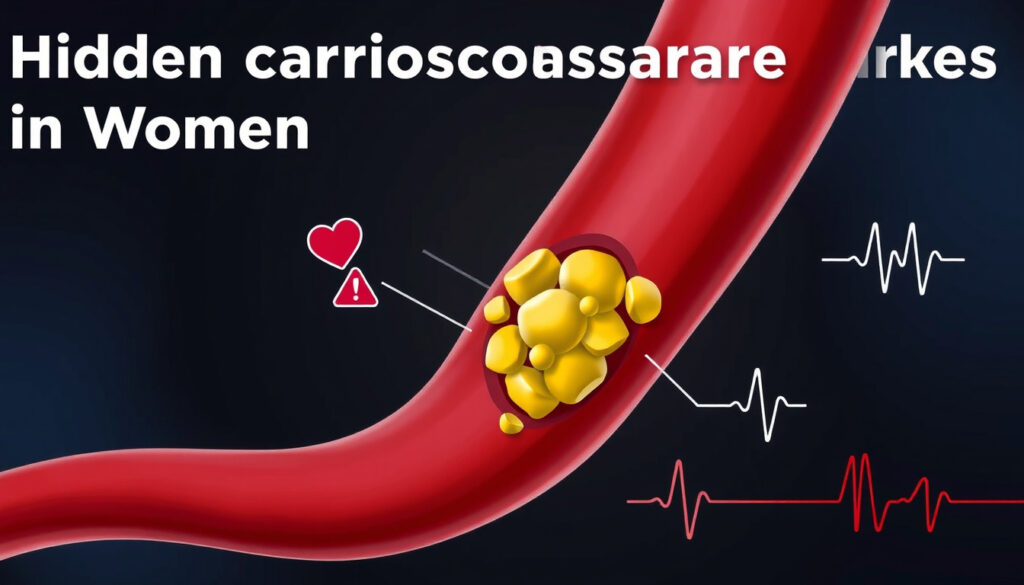
Symptoms of High Cholesterol in Females: Warning Signs
High cholesterol doesn’t announce itself — you can feel perfectly healthy and still have levels that put you at risk for heart disease. That’s why knowing the subtle warning signs can make all the difference in catching problems early.
Adults with high cholesterol: 1 in 3 · Symptom status: No symptoms until advanced · Women’s postmenopausal risk increase: LDL levels rise after menopause
Quick snapshot
- High cholesterol usually has no symptoms — a blood test is the only way to detect it (Mayo Clinic)
- Advanced buildup can cause chest pain, shortness of breath, and numbness (Cleveland Clinic)
- The exact cholesterol level at which symptoms begin varies from person to person
- Symptoms appear only after years of plaque accumulation narrows arteries (Mayo Clinic)
- Lifestyle changes — diet, exercise, weight loss — can lower cholesterol (American Heart Association)
- Medication (statins) may be needed for high-risk patients (American Heart Association)
Four key numbers that define cholesterol risk in women:
| Factor | Value |
|---|---|
| Percentage of adults affected | 38% (CDC) |
| Symptom presence | Typically none |
| Women’s risk factor | Increases after menopause |
| Top cause | Diet high in saturated fat |
What are the 10 warning signs of high cholesterol?
Because high cholesterol itself is silent, the “warning signs” are actually signs of advanced atherosclerosis — the narrowing of arteries by plaque. They don’t appear until cholesterol has been high for years.
What are the 5 signs of high cholesterol?
- Chest pain (angina) — pressure or squeezing when the heart doesn’t get enough oxygen (Mayo Clinic)
- Shortness of breath — especially during activity, due to reduced blood flow
- Numbness or coldness in the legs or feet — a sign of peripheral artery disease
- Fatigue — women may feel unusually tired as the heart works harder (CLS Health)
- Jaw or neck pain — atypical symptoms more common in women, sometimes mistaken for muscle strain (Windermere Medical)
How would you feel if your cholesterol is too high?
Most people feel nothing at all. That’s the danger. According to the American Heart Association, high cholesterol causes no signs or symptoms on its own. Any discomfort — like the chest pressure described above — only appears after cholesterol deposits have already narrowed arteries. That’s why routine blood tests, not how you feel, are the gold standard for detection.
The most common “symptom” of high cholesterol in women is no symptom at all. By the time something feels wrong, the disease has often been progressing for a decade or more.
The pattern is clear: by the time symptoms appear, high cholesterol has already been doing damage for years — which is why regular testing is the only reliable detection method.
What causes high cholesterol in a healthy person?
Even women who eat reasonably well and feel fit can develop high cholesterol. The causes fall into two buckets: factors you can control and ones you can’t.
- Diet high in saturated and trans fats — red meat, butter, fried foods, baked goods (Mayo Clinic)
- Lack of exercise — physical inactivity lowers HDL (“good”) cholesterol
- Obesity — carrying extra weight, especially around the abdomen, raises LDL
- Smoking — damages blood vessel walls and lowers HDL (American Heart Association)
- Alcohol — excessive intake can raise triglycerides and total cholesterol
- Family history — familial hypercholesterolemia is a hereditary condition (Cleveland Clinic)
- Medical conditions — diabetes, hypothyroidism, chronic kidney disease, lupus, and sleep apnea all raise risk (Mayo Clinic)
After menopause, estrogen levels drop, which can raise LDL cholesterol. Women in their 50s and 60s often see numbers climb even if their diet hasn’t changed — a hormonal shift, not a lifestyle failure.
The implication: a “healthy” woman with no obvious risk factors can still have high cholesterol due to genetics or underlying disease. That’s why universal screening is recommended starting at age 20, regardless of perceived health.
What is the number one food that causes high cholesterol?
No single food is the villain, but one category stands out: foods high in saturated fat. The American Heart Association says saturated fat raises LDL more than dietary cholesterol itself.
What are the 6 worst foods for cholesterol?
- Red meat — beef, lamb, pork (especially fatty cuts)
- Butter and full-fat dairy — cheese, cream, whole milk
- Fried foods — fast-food fries, fried chicken, doughnuts (trans fats)
- Baked goods — cookies, pastries, cakes made with shortening or butter
- Processed meats — sausages, bacon, hot dogs
- Egg yolks (moderate) — dietary cholesterol has less impact than saturated fat, but yolks still contribute (Mayo Clinic)
The trade-off: cutting saturated fat can lower LDL by 5–10%, but for many women that’s not enough. Genetics often override diet — meaning even a clean plate can’t guarantee normal numbers.
What drink is good to reduce cholesterol?
Certain beverages contain compounds that may help lower LDL or raise HDL. No drink is a cure, but swapping sugary sodas for these options can support heart health.
What reduces cholesterol quickly?
- Green tea — catechins in green tea can modestly reduce LDL (American Heart Association)
- Soy milk — replacing dairy with soy milk may lower LDL by 3–5%
- Oat milk — contains beta-glucan, a soluble fiber that binds cholesterol
- Pomegranate juice — antioxidant properties may slow plaque formation
- Red wine (in moderation) — resveratrol may raise HDL, but excess alcohol raises triglycerides
What flushes cholesterol out of your body?
Water isn’t a flush, but soluble fiber (in oats, barley, beans, and psyllium) binds cholesterol in the digestive tract and removes it before it enters the bloodstream. Aim for 5–10 grams of soluble fiber daily (Cleveland Clinic).
The implication: what you drink matters, but no beverage alone can offset a diet high in saturated fat or a genetic predisposition.
What is the best breakfast for high cholesterol?
Morning is the easiest time to pack in heart-friendly nutrients. The best breakfasts combine soluble fiber, healthy fats, and lean protein.
- Oatmeal with berries — oats provide beta-glucan; berries add antioxidants (American Heart Association)
- Avocado toast on whole grain — monounsaturated fats help raise HDL
- Greek yogurt with nuts — high protein, low sugar, and walnuts deliver omega-3s
- Egg whites with vegetables — skip the yolk, load up on spinach, peppers, onions
- Smoothie with spinach and flaxseed — flaxseed is rich in soluble fiber and omega-3s
Why this matters: swapping a bacon-and-egg breakfast for oatmeal three times a week can lower LDL by about 5–8% over six months — a simple change that compounds.
How to Lower High Cholesterol: A Step-by-Step Plan
- Get a blood test — a lipid panel measures total cholesterol, LDL, HDL, and triglycerides. Women should start screening at age 20 and repeat every 4–6 years (American Heart Association).
- Cut saturated fat — replace red meat with lean protein like chicken (try How Long to Boil Chicken Breast? Exact Times & Doneness for meal prep).
- Add soluble fiber — oats, beans, apples, and psyllium husk can reduce LDL by 5–10%.
- Exercise 150 minutes per week — brisk walking, cycling, or swimming raises HDL (Cleveland Clinic).
- Maintain a healthy weight — losing 5–10% of body weight can lower LDL significantly.
- Quit smoking — within a year, HDL levels improve and heart disease risk drops by half.
- Consider medication — if LDL remains above 100 mg/dL after lifestyle changes, statins are the first-line therapy.
What this means: managing cholesterol is a multi-pronged effort, and most women will need a combination of lifestyle changes and, in many cases, medication.
What’s Confirmed vs What’s Unclear
Confirmed facts
- High cholesterol has no symptoms until it causes artery blockages (Mayo Clinic)
- Advanced buildup can cause chest pain, shortness of breath, and leg pain (Cleveland Clinic)
- Women’s risk rises after menopause due to estrogen decline (American Heart Association)
- Dietary saturated fat is the primary driver of high LDL
What’s unclear
- Whether women can reliably feel early warning signs — most do not
- The exact LDL threshold that triggers symptoms varies widely
- Whether specific “female” symptoms like fatigue alone indicate cholesterol issues
- How quickly dietary changes lower LDL — individual response differs
Expert Perspectives
High cholesterol has no symptoms. A blood test is the only way to detect it.
Women may experience chest pain or fatigue as signs of advanced cholesterol-related disease.
Adding exercise and healthy foods can lower cholesterol; some people need medication.
For women navigating cholesterol management, the pattern is clear: the condition is driven by a mix of diet, genetics, and hormonal shifts. The earlier you test, the more options you have. Women who rely on feel alone are gambling with their heart health — a blood test is the only reliable strategy.
passionhealthphysicians.com, iddpharmacy.com, youtube.com, nguyenmed.com
Recognizing the common warning signs of high cholesterol, as outlined in common warning signs of high cholesterol, can help women identify when to seek medical advice.
Frequently asked questions
Can high cholesterol be reversed?
Yes, through lifestyle changes and medication. LDL levels can drop significantly with diet, exercise, weight loss, and statins. Plaque buildup cannot always be fully reversed, but further accumulation can be stopped (Cleveland Clinic).
Is high cholesterol hereditary?
Yes. Familial hypercholesterolemia is a genetic condition that causes very high LDL from birth. If you have a family history, get tested early (Mayo Clinic).
What is the difference between LDL and HDL?
LDL (low-density lipoprotein) carries cholesterol to arteries and promotes plaque — “bad” cholesterol. HDL (high-density lipoprotein) carries cholesterol away from arteries to the liver — “good” cholesterol. Higher HDL is protective.
When should I get my cholesterol checked?
Start at age 20, then every 4–6 years if risk is low. More often if you have risk factors like diabetes, family history, or prior high readings (American Heart Association).
Can exercise lower cholesterol?
Yes. Moderate aerobic exercise 150 minutes per week raises HDL and can help lower LDL when combined with weight loss (Cleveland Clinic).
What medications are used for high cholesterol?
Statins are first-line (e.g., atorvastatin, rosuvastatin). Other options include ezetimibe, PCSK9 inhibitors, and bile acid sequestrants. Medication is prescribed when lifestyle changes are insufficient (Mayo Clinic).
More related posts
 Gasoline Station Near Me: Ireland’s Best Petrol Options
 Low Glycemic Index Foods: Complete Guide to Blood Sugar
 This Day in History: April 22 Events, Facts & Moments
 DJI Osmo Pocket 4: Release Date, Specs, Price Rumors
 1.91 m in Feet – Equals 6 Feet 3.2 Inches Exactly
 Normal Heart Rate Women – By Age, Resting and Exercise
 Sebastian Stan: Biography, Relationships, Movies, and More
 Tracy Chapman Fast Car: Meaning, LGBTQ Anthem, Luke Combs Cover
